

Poker invites players into a world where psychology and probability dance together, shaping outcomes beyond what the cards alone can dictate. The excitement lies in reading opponents, concealing intentions, and mastering the art of timing. The following insights will reveal how players transform ordinary sessions into unforgettable victories in OKBET.
Poker brings thrilling excitement in every hand

This game is one of the most dramatic casino games because every hand can change the entire course of play. The combination of strategy, psychology, and luck creates constant tension at the table. Each round offers opportunities for both bold moves and unexpected surprises.
- Every betting round increases anticipation as players decide to call, raise, or fold. These choices create suspense even before the cards are revealed.
- Bluffing adds a psychological layer that makes opponents second guess their decisions. This feature is what makes Poker unique compared to other card games.
- The variance in hand strength means no two rounds ever feel the same. Even a weak hand can win if played with the right strategy.
- Tournament play raises the stakes further by adding prize pools. A single win can shift a player from the bottom to the top of the leaderboard.
- The use of community cards keeps everyone engaged. Every new card on the table can completely change the potential outcome.
- The balance between skill and chance keeps both beginners and professionals interested. It allows casual players to enjoy the game while experts refine advanced tactics.
Detailed beginner’s guide to playing basic poker
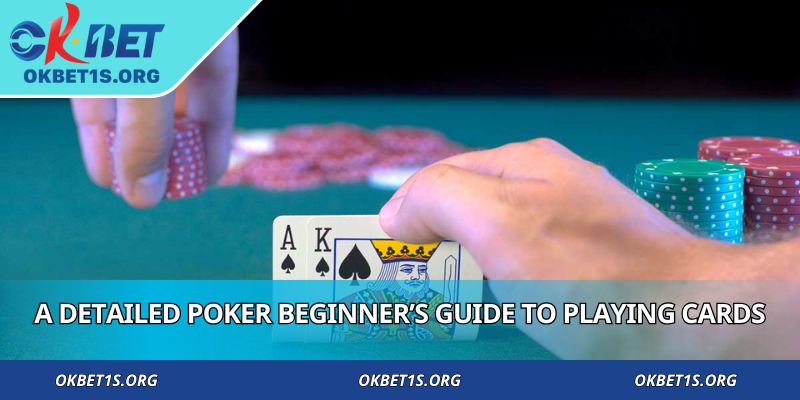
It remains one of the most popular card games worldwide, combining skill, probability, and strategic decision making in every round. Below you will find practical explanations of starting steps, betting rounds, hand comparisons, and key terms every new player should know.
Starting a poker round with simple steps
Each game begins with forced bets called blinds, usually the small blind and big blind to create initial action. The dealer then distributes two hole cards face down to each player at the table. Participants can fold, call, or raise depending on the strength of their starting hand. Understanding this sequence is crucial for smoothly entering any game without confusion.
Explaining basic betting rounds in online poker
After the hole cards, the flop reveals three community cards, followed by another round of betting among participants. The turn card is placed next, bringing a fourth community card and new opportunities for strategic raises. The river, or fifth card, completes the board before the final betting round takes place. These stages structure every Poker hand, balancing both risk and reward as the game progresses.
How to determine the winner
The strongest five card hand is created using any combination of hole cards and community cards. A royal flush is the highest ranked hand, consisting of 10 through Ace all in the same suit. One pair, two pairs, three of a kind, straight, and flush are common winning hands. The winner is decided by comparing hand strength at showdown when multiple players remain active.
Basic poker terms every player should know
“Check” means passing action without betting, while “call” matches the current wager on the table. “Raise” indicates increasing the existing bet, forcing others to contribute more chips or fold. “All in” declares that a player commits their entire remaining stack into the pot. Familiarity with these essential Poker terms speeds up learning and allows smooth participation in both casual and online settings.
How to use the tight aggressive strategy effectively

In game, the tight aggressive style starts with disciplined hand selection, focusing primarily on premium holdings such as AA, KK, QQ, and AK suited. Players using this strategy typically enter only 15–20% of hands, avoiding weak ranges that bleed chips over time. By folding marginal cards, they conserve stack strength for high value opportunities.
The aggressive element of this strategy comes from betting and raising decisively instead of calling passively. In game, aggression forces opponents into difficult decisions, often leading them to fold weaker hands. Data from online cash games shows aggressive players win nearly 30% more uncontested pots compared to passive ones.
Position plays a crucial role in maximizing the tight aggressive approach. Players acting later can expand ranges slightly, adding suited connectors or medium pairs when observing weakness from early positions. Its statistics reveal late position raises succeed about 60% of the time when blinds show caution.
Finally, balance is essential, as overly predictable tight aggressive play risks being exploited by skilled opponents. Mixing in occasional bluffs, such as continuation bets on dry flops, keeps rivals uncertain. In Poker tournaments, this unpredictability helps maintain momentum while preventing others from folding too easily.
How to bluff skillfully to deceive opponents in poker
In game, a successful bluff begins with reading board texture carefully, as dry flops like K 7 2 are ideal for representing strong holdings. Bluffing on coordinated boards such as 9 10 J increases risk since opponents can easily connect with draws. Studies from online hand histories show bluffs on dry flops succeed nearly 65% of the time when applied with proper bet sizing.
Table image also plays a decisive role in bluff effectiveness, as players known for tight poker gain more respect when raising weak hands. A tight image built over twenty or more conservative hands allows room for a surprise bluff. Opponents are statistically 40% more likely to fold against perceived “rock solid” players than against loose ones.
Bet sizing is another critical factor, with effective bluffs typically falling between 60% and 75% of the pot. Smaller bets fail to create enough pressure, while overbets often trigger suspicion and unwanted calls. Professional poker players recommend consistent sizing that mirrors value bets, making bluffs indistinguishable from strong hands.
Timing matters most when attempting bluffs in late stages of tournaments, where rising blinds amplify fold equity. For example, shoving from the cutoff with a weak hand can steal blinds worth 15% of your stack. Data from major events shows late position bluffs succeed nearly 55% of the time under pressure conditions.
Conclusion
Poker represents a chance to push boundaries, blending strategy and entertainment in ways few other games can match. Each hand is an invitation to test courage and creativity while chasing rewarding outcomes. Winning may bring satisfaction, yet the journey of learning defines the deeper value. Step confidently into the game, embrace the challenge, and let this game elevate your playing experience at OKBET.





